Description
Difficulty Level
Beginner to intermediate. Lasius sitiens is durable but requires steady sugar access, mild warmth, and a yearly diapause. With these needs met, they are forgiving and reliable.
Temperament
Arid Lasius workers are shy and retreat-oriented, rarely showing aggression toward the keeper. They lack a true sting but may bite if handled. Most activity occurs inside the nest, with brief, modest foraging trips when undisturbed.
Feeding
Lasius sitiens relies heavily on sugars in the wild due to their underground aphid-farming habits. In captivity, they thrive when kept on a sugar-heavy diet with occasional protein.
- Sugars / Carbohydrates:
Sunburst Ant Nectar (ideal and safe), diluted sugar water, hummingbird nectar (non-red, properly diluted), or very small drops of raw honey. Offer sugars in tiny droplets to prevent drowning. - Protein (2–3× per week): Fruit flies (a favorite), chopped mealworms, micro crickets, or small roach fragments. Because they are tiny, offer very small amounts and remove leftover protein quickly to avoid mold.
Temperature
Lasius sitiens prefers mild warmth with access to a slightly hotter brood zone. Without warmth, colonies may grow slowly or stall.
- Main nest temperature: 71–75°F (22–24°C).
- Provide a warm area above 80°F (27°C) using a
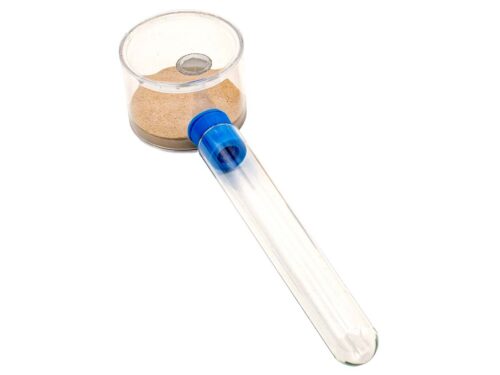
heat cable along one side of the nest. - If in a test tube, warm the front end (opposite the water reservoir) so brood can be positioned safely near the heat.
Humidity
This species prefers moisture deeper in the nest but dry conditions in the outworld.
- Outworld should remain dry.
- Nest should include a lightly hydrated chamber or moist substrate zone.
- Always provide a reliable water source (test tube or feeder).
Preventing Escapes
Because they are tiny, secure containment is essential even though they are not strong climbers. Gaps must be small and lids must fit tightly.
- Use a tight-fitting lid with small ventilation holes.
- Apply a thin band of fluon along the inner rim of the outworld.
- Avoid décor or tubing positioned close to the lid.
Diapause (Winter Rest)
Lasius sitiens requires a predictable winter diapause for long-term health, fertile queens, and consistent spring growth. Colonies that skip diapause often stall or decline.
- Timing: Late fall to early spring, lasting 1.5–3 months.
- Temperature: Keep the colony between 40–50°F (4–10°C).
- Preparation: Feed heavily for 1–2 weeks before cooling so workers and the queen enter diapause with full gasters.
- Hydration: Ensure the test tube or nest has a reliable water source—never allow it to dry out.
- Rewarming: Warm gradually over several hours to a full day, then resume normal feeding and warmth.
When diapause is handled correctly, Lasius sitiens typically produces its strongest brood wave in spring.
Live Arrival Guarantee
All colonies are shipped with care. See our full policy here:
Live Arrival Guarantee.
Shipping Locations
We ship Lasius sitiens colonies to Arizona only.