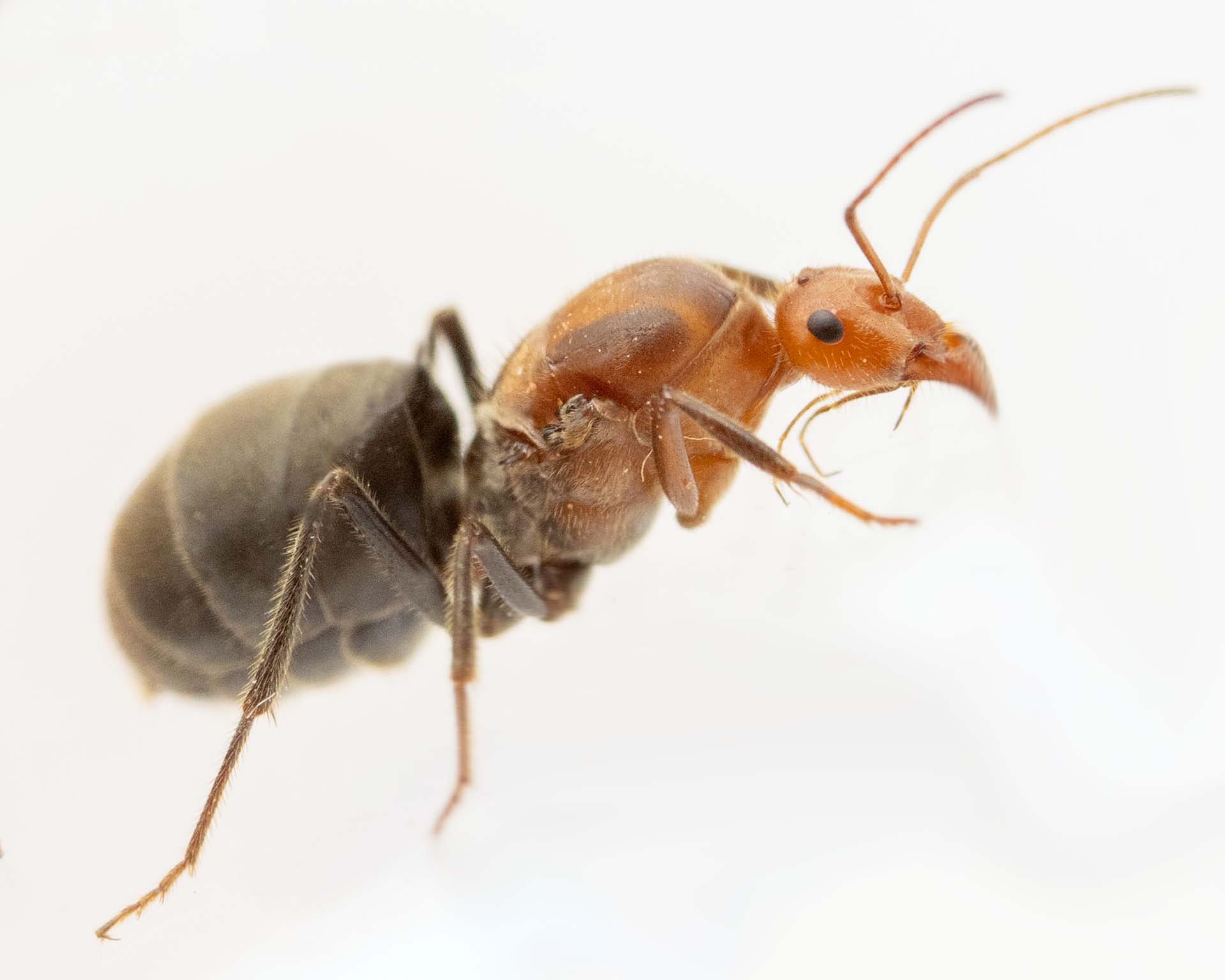
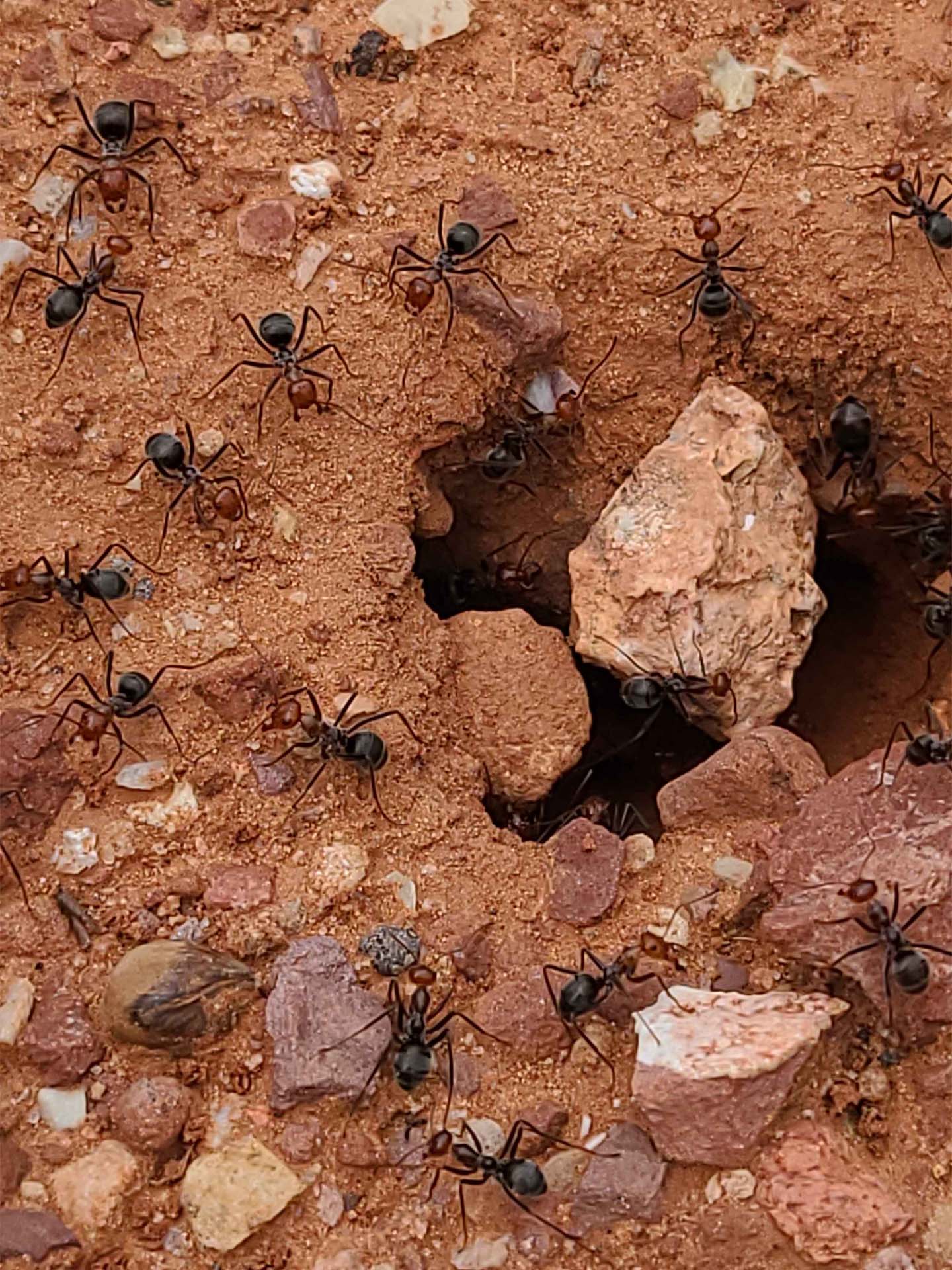
Description
Overview
Note: In the summer months, this species must be shipped with Next Day Air as the shipping method.
Difficulty Level
Temperament
Feeding
- Sugars: Keep a constant source of sugar water, honey water, or other sweet liquids available.
- Protein: Offer insects such as fruit flies, mealworms, or crickets for brood development.
- Schedule: Sugars available at all times; protein 2–3× per week.
Ant Farm (Habitat)
- Best kept in a formicarium designed for arid species
- Use a dry nesting area with a small hydrated zone
- Outworld should be dry, secure, and well ventilated
Temperature
Humidity
Common Challenges
- Replete Care: Repletes are fragile—avoid vibrations or nest disturbances that can injure them.
- Temperature Needs: Growth slows significantly if kept too cool; constant warmth is key.
- Diet Balance: Without steady sugar access, colonies weaken quickly.
- Transit Sensitivity: Colonies are sensitive to rough handling and extreme temperatures during shipping.
Shipping Info
Ant shipping restrictions vary by state, and this species may not be available for shipment to all locations.
Live Arrival Guarantee
We stand by the health of every colony we ship. All ants are covered under our Live Arrival Guarantee.
Casey Lythgoe (verified owner) –
This was our first purchase of an ant colony. Honeypot ants are difficult to come by so this was a great chance for us to buy a small starter colony. Ant gear made the whole process of purchasing the ants and collecting them very easy. And what’s most important is that the colony was easily transferred to the ant farm supplies that we had at home and immediately began to thrive. My son is thrilled and we are enjoying our Honeypot ants. Thank you Ant gear
Upvote if this was helpful (0) Downvote if this was not helpful (0) Watch Unwatch Flag for removal