Description
Overview
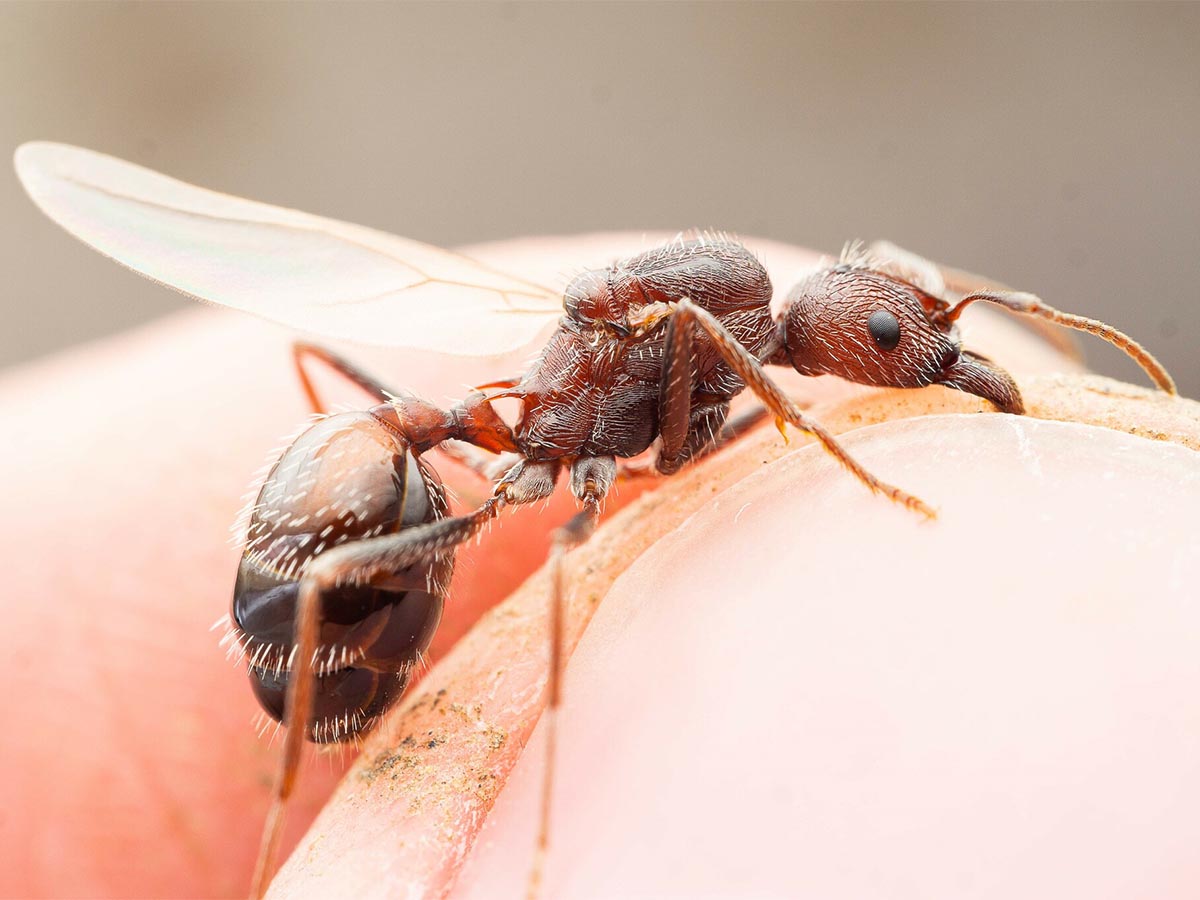
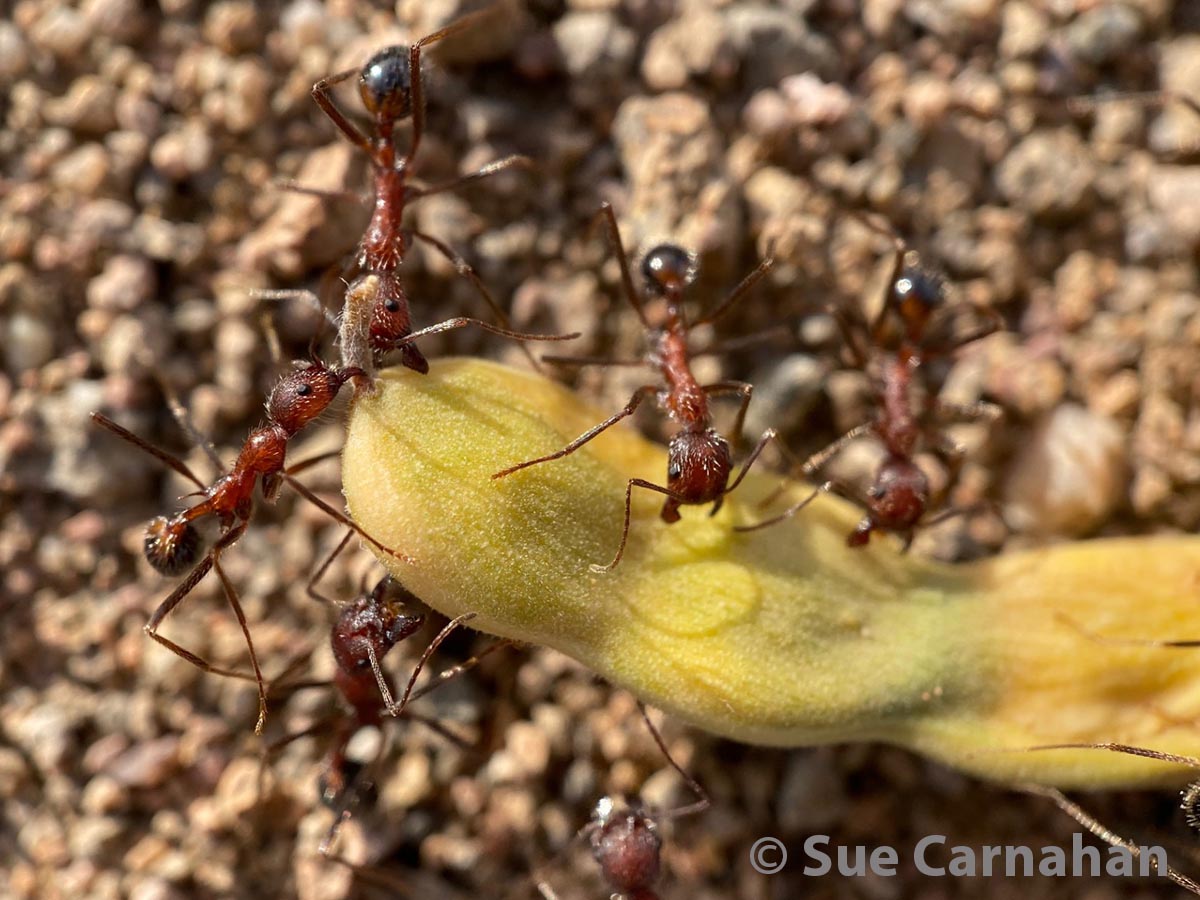
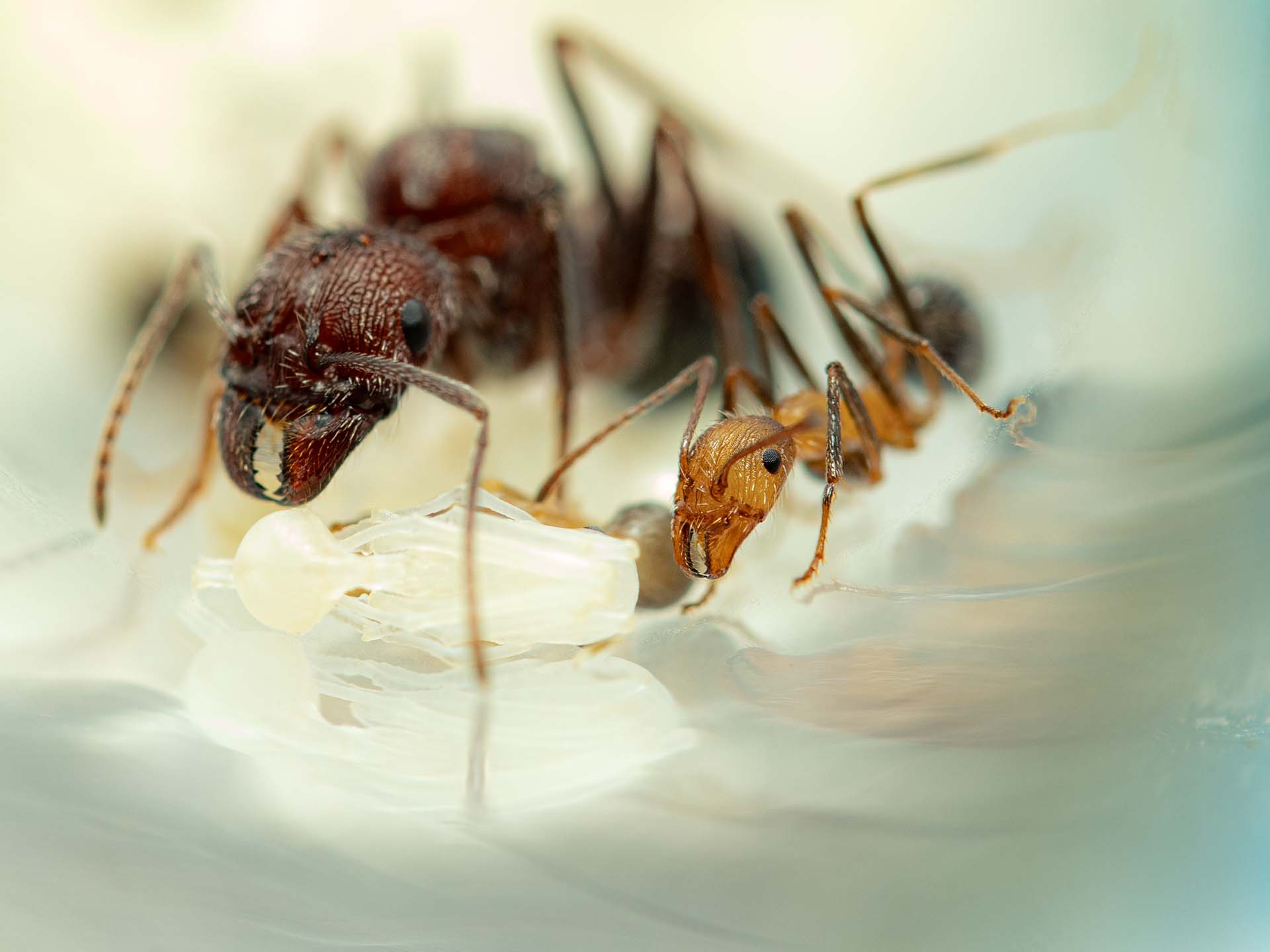
Novomessor — commonly called Desert Long-Legged Ants — are among the most entertaining and fastest-growing ant species available in the hobby. Native to the desert Southwest, these ants are built for heat and activity. Their unusually long legs give them a quick, fluid stride that makes even routine foraging look like a performance.
They’re active hunters that take down insects with enthusiasm. In the right setup with consistent heat and regular feeding, colonies can explode in size within the first year. If you want a colony that’s always doing something, Novomessor delivers.
They do not sting but will bite if threatened.
Difficulty Level
Beginner–Intermediate
Novomessor are straightforward to keep once the basics are dialed in. Their needs are consistent heat, regular protein, and a secure enclosure. Get those three things right and colonies grow reliably and quickly.
The intermediate label comes from their escape behavior. These ants are skilled climbers and persistent about finding gaps. It’s not a difficult problem to manage, but it requires active maintenance — fluon reapplication every two weeks is non-negotiable. Keepers who stay on top of that will have no issues.
Temperament
Novomessor are high-energy foragers. Workers move fast, hunt aggressively, and are almost always active during warm periods. They’re fun to watch precisely because they’re always doing something — hauling prey, tending brood, or reorganizing the nest.
They’re not aggressive toward keepers in the way stinging species can be, but they will bite if handled directly. More relevant is their escape tendency: these ants will climb smooth surfaces and probe every seam and gap in the enclosure. They’re not trying to escape because they’re stressed — it’s just what they do. A well-maintained fluon barrier keeps them contained without any other intervention.
Feeding
Protein (Primary)
Protein is the foundation of the Novomessor diet and the main driver of colony growth. Feed frequently and feed well. Good options include mealworms, cricket pieces, Dubia roach nymphs, and fruit flies. Fruit flies are especially useful for founding colonies and young nanitics. As the colony grows, move up to larger prey — whole small crickets, superworms, and larger roach nymphs. Place protein directly in the outworld and remove anything uneaten within 24–48 hours.
Liquid Sugars (Constant)
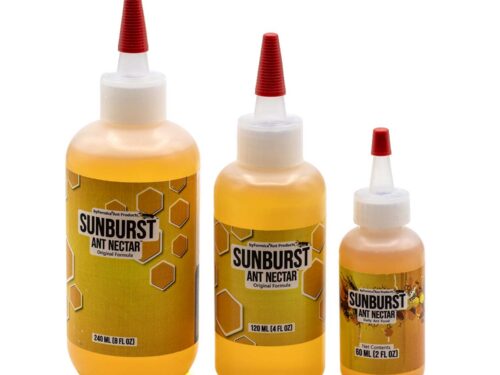
Keep a sugar source available at all times. Sugar water (1 part sugar to 3 parts water), hummingbird nectar, peeled fruit pieces (organic), or Sunburst Ant Nectar all work well. Sugars fuel foraging activity and support the queen.
Seeds (Supplemental)
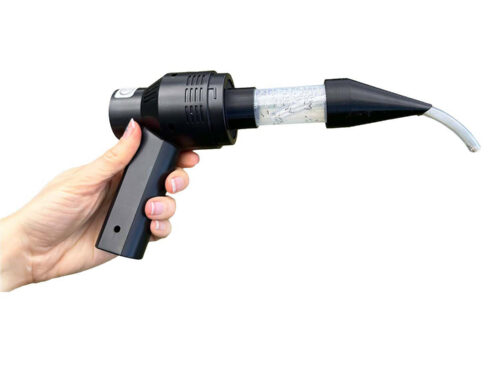
Novomessor do eat seeds, and they’re a useful supplement to offer larvae between protein feedings. Good options include dandelion seeds, Kentucky bluegrass, and crushed sunflower seeds. Seeds are not a replacement for protein — they’re a between-meal option that keeps larvae occupied and fed while you’re spacing out protein offerings. Be aware that seeds accumulate in the outworld; regular cleanup and an AntGear AntVac help manage the debris.
What to avoid
Leaving uneaten protein in the enclosure longer than 48 hours. Overloading the outworld with seeds faster than the colony can manage them. Cutting back on protein — growth will stall quickly without it.
Ant Farm (Habitat)
Start founding queens in a standard test tube setup. Once nanitics are present and foraging, connect the test tube to a small outworld. Novomessor don’t need a large nest right away — they’ll move in when they’re ready.
As the colony grows, transition to a formicarium with moisture control on one end and a dry zone on the other. These ants are from arid environments and appreciate the ability to self-regulate. A sand or soil outworld substrate is natural to them and gives workers material to work with.
Recommended setups:
- Test tube setup for founding and early stages
- Tub-and-tube or small acrylic formicarium once nanitics are established
- Any modular or expandable design with a visible outworld for feeding observation and cleanup
Avoid:
- Gel-based or novelty ant farms
- Setups without a secure, gapless lid — these ants will find any opening
- Enclosures without a fluon barrier applied to interior walls
Growth
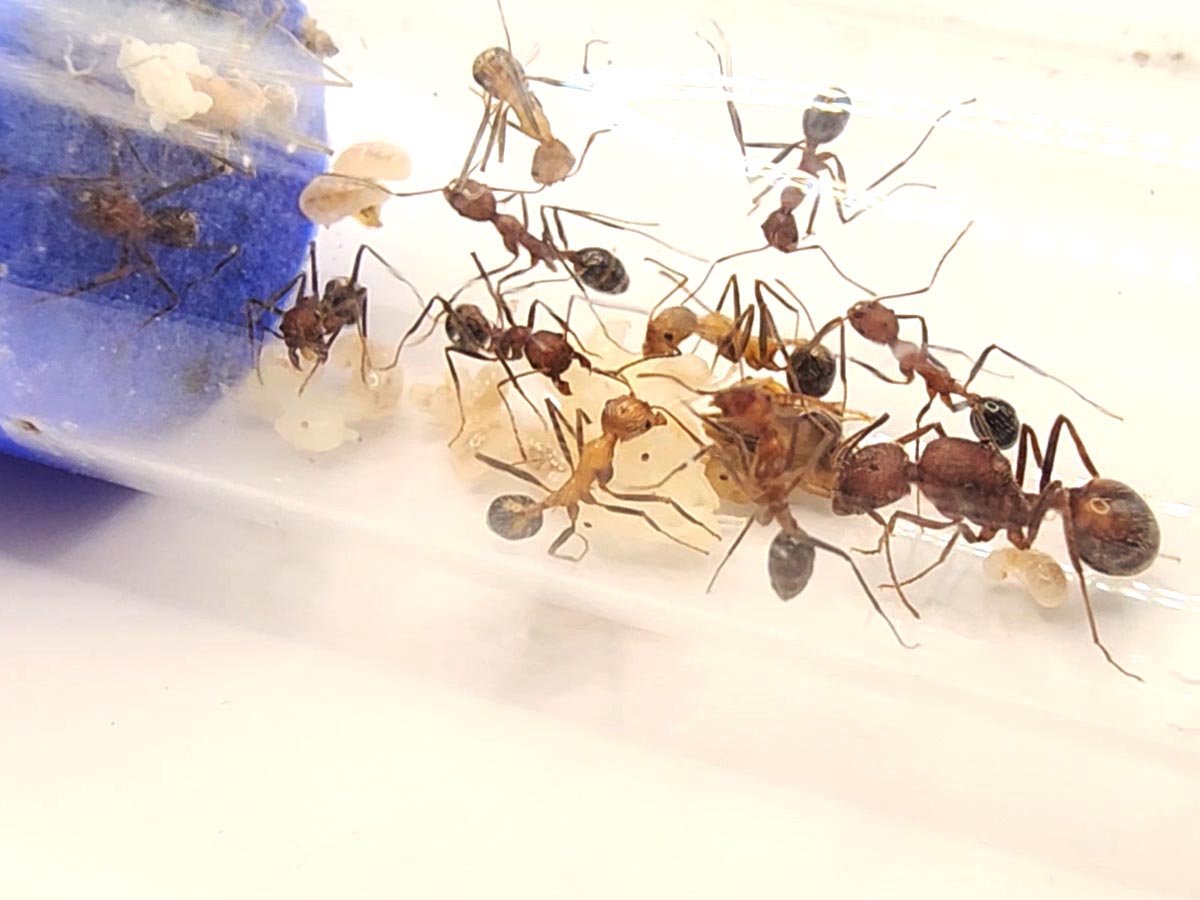
Novomessor are fast growers by ant hobby standards. Brood develops from egg to adult in roughly 4–7 weeks depending on temperature and caste, and well-maintained colonies can reach hundreds of workers within the first year. Power-feeding with consistent heat can push that into the thousands.
Growth is directly controlled by two variables: heat and food. If the colony seems stalled, check your heat source first, then evaluate how often you’re offering protein. Workers also increase in size as the colony matures — larger, more robust workers appearing over time is a normal and healthy sign of a developing colony.
To intentionally slow growth — for example, if you need time to upgrade housing — reduce feeding frequency, remove supplemental seeds, and omit supplemental heat.
Temperature
Heat is the single most important variable in Novomessor care. These ants will not grow at room temperature alone — colonies kept without supplemental heat develop extremely slowly or stall entirely. Supplemental heat is required, not optional.
- Optimal nest range: 87–95°F depending on species
- Gradient: Keep one end of the nest at peak temp; allow cooler zones so workers can self-regulate
- Do not refrigerate: These are desert ants. Cold diapause is not required and can be fatal
A heat cable along one side of the nest or beneath the test tube creates a good gradient. Never place heat directly next to the water source — condensation can flood tubes or nest chambers.
Humidity
Novomessor come from dry desert environments, but captive colonies still need moisture in the nest for healthy brood development. The goal is a gradient — one moist end for brood, one dry end for food storage — and the colony will manage itself from there.
Founding test tubes handle this naturally: water behind the cotton plug keeps the chamber appropriately humid without any active intervention. In a formicarium, keep one side lightly moistened and allow the other to stay dry. Good airflow in the outworld prevents mold from building up around uneaten food and seed debris.
The outworld itself should be kept dry to match the desert conditions these ants prefer.
Common Challenges
| Problem | Likely Cause | Fix |
|---|---|---|
| Colony not growing or stalled | Temperature too low | Add or verify heat source; target 87–95°F in the nest |
| Ants escaping | Fluon barrier degraded or missing | Reapply fluon to all interior walls; inspect lid seams and tubing connections |
| Queen abandoning or eating brood | Disturbance during founding, or temperature/hydration stress | Leave the founding setup alone; check heat and water access |
| Mold in outworld | Uneaten food left too long | Remove uneaten protein within 24–48 hours; spot-clean regularly |
| Larvae not consuming food | Offering size too large, or colony not ready for that prey size | Reduce prey size; try fruit flies or mealworm pieces instead |
| Seed debris accumulating | Seeds not being fully processed or stored | Reduce seed offering volume; use an AntGear AntVac for outworld cleanup |
Shipping Info
We ship Monday through Wednesday to ensure your ants don’t sit in a carrier facility over the weekend. Orders placed after Wednesday ship the following Monday.
On your shipping day, you’ll receive an email in the afternoon with tracking information.
Temperature protection:
- Cold pack: Included when the temperature at our location in Tempe, AZ exceeds 100°F.
- Heat pack: Included when the temperature at your destination is below 50°F.
- Weather hold: If the destination forecast drops below 35°F, we’ll hold your order and ship when conditions improve. We’ll contact you if this applies to
your order.
Live Arrival Guarantee
giving you confidence in your ant-keeping journey. See our live arrival policy for
requirements and instructions.