Description
Overview
Note: In the summer months, this species must be shipped with Next Day Air as the shipping method.
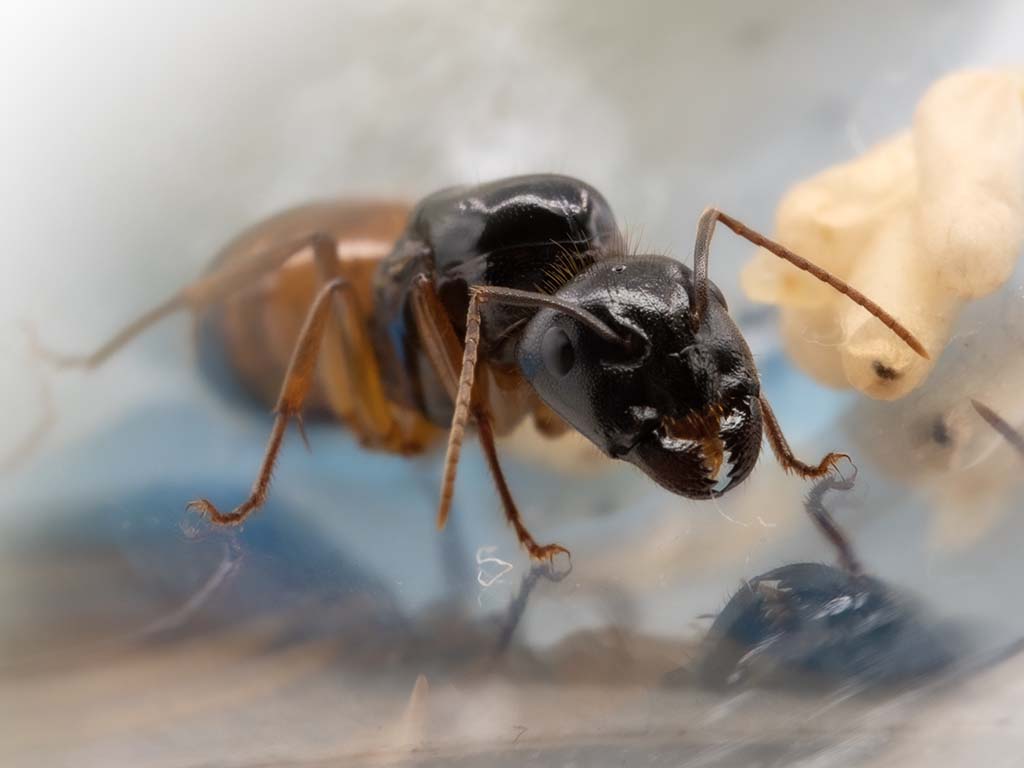
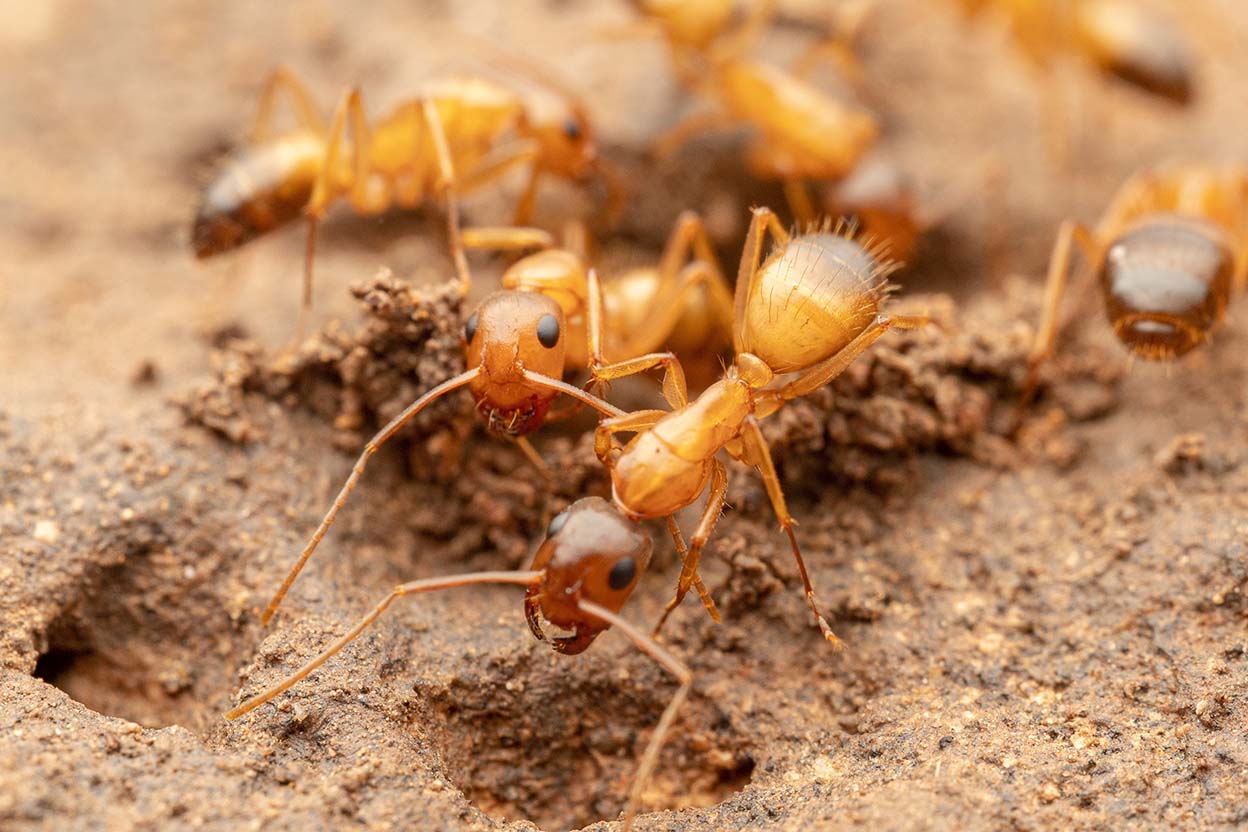
Carpenter Ants (Camponotus) are the largest ants most people will ever encounter in North America, and some of the most impressive to keep. Queens can reach 18mm or more, and major workers in mature colonies are striking animals. What makes this genus especially rewarding is polymorphism: a single colony produces workers in multiple size castes — small minors that handle most foraging, medium workers that assist with various tasks, and large-headed majors that process food and defend the nest. Watching all three castes work together is genuinely entertaining.
North American Camponotus species are found across a wide range of habitats, with many stunning species native to the desert Southwest. Many display bold bicolored patterns in black, orange, red, and tan. They’re omnivores that consume both sugars and protein, are fully claustral as founding queens, and grow into large, long-lived colonies over time.
Difficulty Level
Beginner
Camponotus are forgiving ants with straightforward care requirements. Founding queens are fully claustral and don’t need to be fed during the early stages, which removes one of the common new-keeper stumbling blocks. Their needs — warmth, sugar, occasional protein — are easy to provide.
The one thing to set expectations around is growth speed. Camponotus are slow builders compared to many other species. Colonies grow steadily but not dramatically in the first year, and it takes patience to reach the large worker counts where this genus really shines. That’s not a care problem — it’s just how they work.
Temperament
Camponotus are calm, non-aggressive ants. Workers focus on foraging and nest tasks and don’t seek confrontation. They don’t sting — instead they can spray formic acid when threatened, but this is rarely an issue in a well-maintained enclosure. They’re safe to work around and good for observation-focused keeping.
Major workers are impressive up close and tend to be more visible than in other genera since they spend time at nest entrances and outworld areas. These are good ants for anyone who wants a colony they can actually watch.
Feeding
Camponotus are omnivores that need both sugar and protein — unlike seed-based species, both components of the diet are active requirements throughout the colony’s life.
Sugars
Liquid sugars are the adult workers’ primary energy source. Offer honey water or sugar water consistently — every 1–2 days for active colonies. This should always be available. Workers consume it constantly and a dry outworld leads to slow, sluggish activity.
Protein
Offer insects 2–3 times per week: fruit flies for young colonies, moving up to small cricket pieces, mealworms, or roach nymphs as the colony grows. Protein feeds larvae and is essential for producing new workers and caste development. Remove uneaten protein within 24 hours to prevent mold.
Scaling with colony size
Increase feeding frequency as the colony grows. A founding queen needs nothing initially; a colony of 50 workers needs regular sugar and weekly protein; a colony of several hundred needs daily sugar and protein every other day.
Ant Farm (Habitat)
Test tubes work well for founding and the early worker stage. Transition to a tub-and-tube setup or a small formicarium when the colony reaches 5–15 workers. Bamboo tube nests are a good option as the colony grows — they provide natural dimensions and good passive moisture management.
Recommended setups:
- Test tubes (16–20mm) for founding
- Bamboo tube nests (preferred for growing colonies)
- Tub-and-tube outworld setups
- Acrylic or naturalistic formicaria for larger colonies
Setup notes:
Keep founding queens in darkness with minimal disturbance. Checking on them too frequently is one of the most common causes of queens eating their eggs. Set them up and leave them alone for at least 2–3 weeks before checking.
Growth
Camponotus are slow growers — this is normal for the genus and not a sign of a problem. Egg-to-worker development takes 7–10 weeks depending on species and temperature, with major workers developing more slowly than minors. First-year colonies typically reach a few dozen to over 100 workers with consistent heat and feeding.
Caste development:
The colony doesn’t produce majors until it reaches a certain threshold size. Early colonies are all minors and medias. Majors appear as the colony matures and signals are given that defense and food processing capacity is needed. Seeing your first major is a good milestone.
Long-term:
Well-established colonies can eventually reach hundreds to thousands of workers. Camponotus are long-lived and colonies kept in good conditions can persist for many years.
Temperature
Desert Camponotus need consistent heat — development does not occur reliably at room temperature.
- Optimal nest range: 82–90°F
- Cooler zone: ~70°F for workers to retreat to
A heat gradient is important. Provide a warm end for brood incubation and a cooler area workers can retreat to. The colony self-regulates by moving brood between zones. Never heat near water reservoirs.
Humidity
Maintain moderate humidity in established nests — generally 50–70% works well for most North American Camponotus. They don’t need a soaking wet environment, but they do need consistent water access and should never be allowed to dry out completely.
Keep a water source available in the outworld at all times. Founding queens need a water tube in their test tube setup. As the colony grows and moves into a formicarium, ensure the nest substrate doesn’t dry out entirely — slight moisture on one end of the nest is sufficient.
Bamboo tube nests help regulate this passively without requiring constant management.
Common Challenges
| Problem | Likely Cause | Fix |
|---|---|---|
| Queen eating eggs | Disturbance, dehydration, or temperature stress | Stop checking; verify water tube; confirm heat |
| No brood development after weeks | Temperature too low | Raise heat; desert species especially need consistent warmth |
| Slow worker count growth | Normal for genus, or temp/feeding insufficient | Patience; verify heat gradient and feeding schedule |
| Mold in outworld | Protein left too long | Remove uneaten protein within 24 hours |
| Workers sluggish or inactive | Sugar depleted or temperature too low | Refresh sugar water; check heat source |
| Winter activity slowdown | Normal seasonal response | Maintain heat and sugar; activity resumes naturally |
Shipping Info
We ship Monday through Wednesday to ensure your ants don’t sit in a carrier facility over the weekend. Orders placed after Wednesday ship the following Monday.
On your shipping day, you’ll receive an email in the afternoon with tracking information.
Temperature protection:
- Cold pack: Included when the temperature at our location in Tempe, AZ exceeds 100°F.
- Heat pack: Included when the temperature at your destination is below 50°F.
- Weather hold: If the destination forecast drops below 35°F, we’ll hold your order and ship when conditions improve. We’ll contact you if this applies to your order.